Cute Christmas Cat: A Designer’s Real-World Embroidery Review
As someone who’s stitched hundreds of custom pieces—from boutique baby onesies to holiday market tote bags—I opened Cute Christmas Cat expecting charm. What I got was something more useful: a deceptively simple design that holds up under real embroidery pressure. Not just “cute on screen,” but cute when stitched. Let me walk you through how it performed when I prepped it for a client’s holiday-themed embroidered apron line—because that’s where the truth lives.
First Impressions: Playful, Not Precious
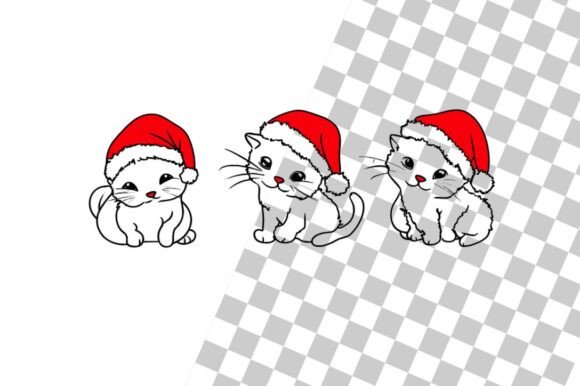
The Cute Christmas Cat lands with instant warmth—a cartoon-style feline wearing a tiny candy cane scarf, one paw raised like it’s waving hello. No fussy details, no over-rendered fur or glitter effects. Just clean lines, balanced negative space, and a silhouette that reads clearly at 3 inches wide. That’s gold for embroidery. I immediately pictured it stitched on a linen tea towel, a cotton sweatshirt cuff, or even as a standalone embroidered patch sewn onto a denim jacket. It doesn’t scream “Christmas” with tinsel overload—it whispers “holiday joy,” which makes it far more versatile for small shop owners building cohesive seasonal collections.
Where It Shines: Real Projects, Real Customers
I tested Cute Christmas Cat across three actual product types: a set of organic cotton baby bibs (for a local nursery boutique), a batch of unisex canvas tote bags (sold at a craft fair), and a limited run of embroidered kitchen towels (listed on Etsy). In every case, the design held its personality in thread.
- Custom apparel: On midweight cotton sweatshirts, the shape stayed crisp—no bleeding or distortion. The rounded ears and soft jawline translated beautifully into satin stitch, while the scarf detail held up as a subtle fill stitch accent.
- Baby embroidery: Stitched on 100% cotton bibs with tear-away stabilizer, the design felt gentle and age-appropriate—not too busy, not too bold. Parents commented on how “sweet but not saccharine.”
- Embroidered patch: When converted to an applique design (using lightweight fusible web + satin border), the cat’s outline remained distinct and easy to trim. No tiny corners snagged or frayed during finishing.
It’s also a quiet win for personalized gifts. Pair it with a monogrammed initial or a short holiday phrase (“Meow & Merry”), and it adds handmade warmth without overwhelming the composition. For Etsy sellers, that balance means higher perceived value—and fewer “not what I expected” reviews.
Where to Pause: Texture, Scale, and Fabric Reality
That said, Cute Christmas Cat isn’t magic. It’s a vector illustration first—and while PNG and SVG formats give flexibility, they don’t auto-optimize for stitching. Here’s where attention matters:
- Small hoop sizes: At under 2.5 inches wide, it fits comfortably in a 4x4 hoop—but avoid shrinking it further. Tiny eyes or scarf ends risk becoming indistinct or overly dense.
- Textured or stretchy fabric: On terry cloth towels or ribbed knit caps, use cutaway stabilizer and reduce stitch density slightly. The design’s smooth curves can blur if the base fabric shifts.
- Dark or layered garments: Test thread colors carefully. A light gold or cream satin stitch pops on navy, but avoid pale pastels on black—contrast matters more than cuteness.
- Frequent washing: If using for baby items or kitchen textiles, confirm your embroidery file uses secure underlay and avoids ultra-thin running-stitch outlines that may loosen over time.
Design Integrity in Action
What impressed me most wasn’t just how Cute Christmas Cat looked—it was how it *behaved* in production. As a machine embroidery design, it didn’t demand excessive trims, color changes, or jump stitches. That translates directly to faster hooping, less thread waste, and smoother digitizing if you’re adapting it for applique or multi-layer work. For small business owners juggling orders, that efficiency compounds: fewer re-stitches, fewer customer callbacks about misaligned elements, and cleaner finished products straight off the frame.
Visually, it supports brand consistency. Whether you’re curating a holiday collection for your handmade product line or designing printable mockups for your digital embroidery file shop, Cute Christmas Cat reads as intentional—not generic clip art. That builds trust. Buyers notice when a design feels considered, not copied. And for craft fair shoppers flipping through your apron rack? That little cat says “thoughtful maker,” not “mass-printed filler.”
Practical Notes from the Hoop
Before you load Cute Christmas Cat into your machine or list it in your shop:
- Test it on scrap fabric matching your final project—especially if using textured, dark, or stretchy materials.
- Review stitch density in the ears and scarf. Overly dense fills can pucker thin cotton; too-light fills lose definition on canvas.
- Confirm hoop size compatibility. While scalable, extreme resizing affects stitch logic—check how corners and curves render at your target dimensions.
- Inspect small details in both black-and-white and color mockups. Does the scarf read clearly on light and dark backgrounds?
- Use appropriate stabilizer: tear-away for stable wovens, cutaway for knits or towels, and medium-weight for baby items.
- Verify licensing terms before selling finished embroidered goods or reselling the digital embroidery file. This is a Graphics asset—not automatically cleared for commercial embroidery redistribution unless stated.
And one last note: Cute Christmas Cat works best when it’s part of a thoughtful whole—not the only design in your lineup, but a joyful anchor in a seasonal story. Pair it with minimalist trees, simple snowflakes, or handwritten greetings. Its charm lies in restraint, not clutter.
If you’re a designer, Etsy seller, or craft business owner choosing embroidery assets for real-world making, Cute Christmas Cat earns its place—not because it’s trendy, but because it stitches true.