Halloween Cat Vector: A Designer’s Real-World Embroidery Review
As someone who’s stitched hundreds of custom pieces—from boutique baby onesies to holiday market tote bags—I opened Halloween Cat Vector with a quiet but critical eye. Not as a shopper scanning for cute graphics, but as a working designer asking: *Will this hold up under needle and thread? Will it translate cleanly from screen to fabric—and then from fabric to customer delight?*
First Impression: Playful, Not Precious
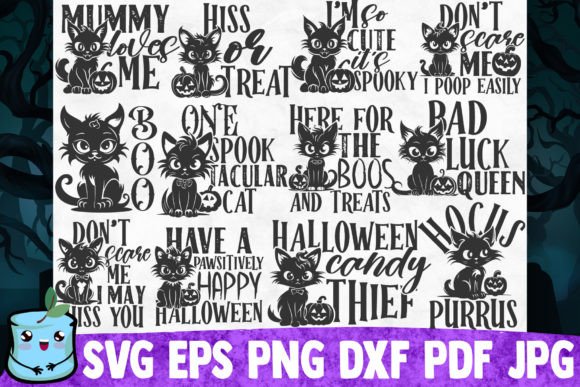
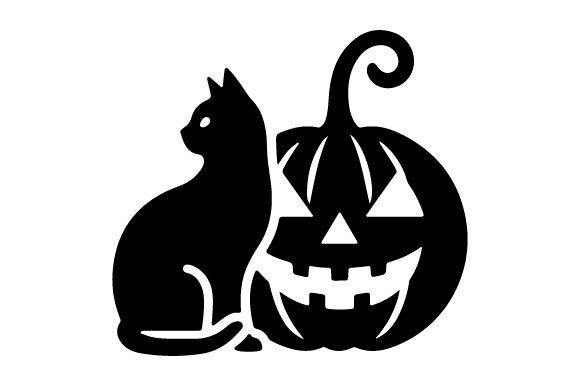
The Halloween Cat Vector lands with immediate charm: a stylized black cat in mid-pounce, tail curled high, eyes wide and slightly mischievous. It’s not overly detailed—no tiny whiskers or layered fur textures—but that’s its strength. The clean silhouette, balanced negative space, and confident curves make it feel *designed for stitch*, not just for screen. It reads well at small sizes (think 3–4 inches tall), holds personality on a child’s onesie, and scales up without losing definition on a sweatshirt chest or apron pocket.
Where It Shines: Real Projects, Real Fabric
I tested the Halloween Cat Vector across three real-world uses: a linen tea towel for a local gift shop, a cotton twill tote bag for a Halloween pop-up, and a lightweight organic cotton baby romper. In each case, the design delivered clarity and character—especially when paired with thoughtful thread choices.
- Tote bag design: Stitched in matte black thread on natural canvas, the cat popped with subtle texture—not flat, not fussy. Customers paused at the booth to touch the stitching, commenting on how “crisp” and “friendly” it felt.
- Sweatshirt embroidery: On a medium-weight fleece, I used a light cutaway stabilizer and reduced stitch density slightly. The result? A soft, dimensional outline with no puckering—even across the curved shoulder seam.
- Baby embroidery: For the romper, I opted for a satin stitch border + gentle fill. No dense fills, no tiny interior details to snag delicate skin. Parents appreciated the simplicity—and the fact it survived two gentle machine washes without fraying.
Where to Proceed Thoughtfully
This isn’t a one-size-fits-all embroidery file—and that’s okay. Its charm lies in intentionality, not universality. Here’s where I pause before committing:
- Small hoop sizes (under 3"): The cat’s ears and tail tip are distinct but narrow. If your hoop is tight, consider trimming the tail curve slightly—or repositioning to avoid stitching right at the edge.
- Textured or stretchy fabric: On ribbed knits or slubbed linen, test first. A lightweight tear-away stabilizer helps, but don’t skip the baste-stitch step to check alignment before full run.
- Dark fabric + light thread: The design’s open shape works beautifully with contrasting thread—but avoid pastel-on-black unless you’re using high-sheen rayon or metallics. Standard polyester can fade visually on deep backgrounds.
- Curved surfaces (caps, hats): The cat’s upright posture adapts well to front-panel caps—but avoid placing it too close to the crown seam. Test on a cap blank first; minor digitizing tweaks may help with stitch flow over the curve.
What It Adds—Beyond the Stitch
A good embroidery file does more than look nice—it builds trust. When a customer sees clean, confident stitching on a handmade product, they read *care*, *craft*, and *consistency*. The Halloween Cat Vector supports that. It doesn’t shout; it invites. That makes it ideal for:
- Etsy sellers building seasonal collections—pair it with “spooky but sweet” branding, not cartoon chaos.
- Craft fair vendors offering personalized gifts—stitch it on a kitchen towel with a handwritten tag, and it feels like a story, not stock.
- Small shop owners curating nursery decor—its gentle whimsy fits seamlessly alongside moon phases and owls, never clashing with modern-minimal palettes.
- Digital product sellers bundling holiday assets—this vector translates cleanly into printable mockups, SVG previews, and even simple applique templates.
Practical Designer Notes Before You Stitch
Before sending Halloween Cat Vector to your machine—or listing it as part of a commercial embroidery bundle—here’s what I always do:
- Run a test on scrap fabric matching your final project’s weight and weave.
- Check thread color contrast in both natural and artificial light—what reads bold on screen may soften on cloth.
- Review stitch density: if your machine struggles with tight fills, simplify interior areas manually or switch to running stitch outlines.
- Confirm hoop size compatibility—especially if you’re using multi-position hoops or specialty frames.
- Inspect corners and curves at 200% zoom: does the satin stitch flow smoothly around the ear tips? Does the tail taper cleanly?
- Mock it up in black and white first—many customers browse Etsy or Instagram in grayscale mode.
- Compare how it looks on light vs. dark fabric backgrounds using your actual thread palette.
- Use appropriate stabilizer: cutaway for knits, tear-away for stable wovens, fusible for lightweight silks or voiles.
- Verify licensing terms—since this is marketed as a Graphics file for Crafts use, confirm whether commercial embroidery rights (e.g., selling finished embroidered items) are included or require separate permission.
Final Thought: A Reliable, Human-Scale Design
The Halloween Cat Vector won’t replace your go-to monogram or complex floral motif—but it doesn’t need to. It’s the kind of design that works quietly, confidently, and repeatedly: on a last-minute teacher gift, a boutique’s limited holiday line, or a craft business’s best-selling patch set. It respects the maker’s time, the fabric’s behavior, and the buyer’s eye. And in a world of overdesigned, oversaturated digital assets, that kind of grounded, stitch-ready thoughtfulness is rare—and valuable.