Cat Fill in Review
As an embroidery designer and product reviewer, I often find myself evaluating new designs with a critical eye—especially when they’re meant for real-world use. Cat Fill in is one such design that promises versatility and appeal. But does it deliver? Let’s dive into what this design offers and how it might fit into your creative or business workflow.
First Impressions: A Playful and Adaptable Design
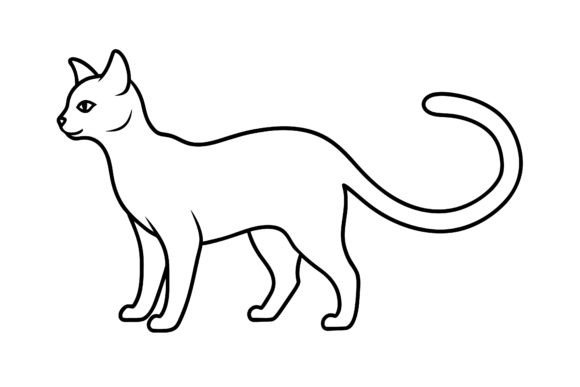
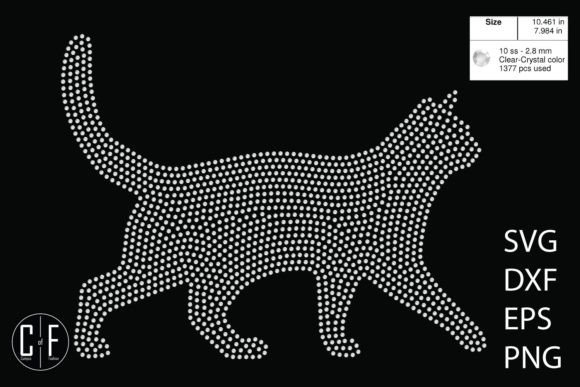
Cat Fill in immediately catches the eye with its simple yet expressive cat silhouette. The shape is clean, the layout balanced, and the theme feels approachable—perfect for a wide range of projects. The design isn’t overly detailed, which makes it ideal for those who want a quick, recognizable image without the complexity of high-stitch-count files.
The visual personality of Cat Fill in leans toward playful and whimsical, making it a natural fit for baby items, personalized gifts, or casual apparel. It doesn’t scream “high-end” but it has a charm that can translate well into handmade products or small shop merchandise.
Real-World Embroidery Performance
When it comes to real-life embroidery situations, Cat Fill in performs well on most standard fabrics. It works especially well on cotton tote bags, sweatshirts, and aprons. The design’s simplicity allows for clear stitching, even on lighter-weight materials. However, there are a few considerations to keep in mind.
For custom apparel like t-shirts or sweatshirts, Cat Fill in holds up nicely. The fill stitches are smooth, and the overall look is professional. On baby clothes, it’s a great option for a subtle, safe design that won’t overwhelm delicate fabrics. For patches, the design scales well, though you may need to adjust the hoop size depending on the scale you’re aiming for.
On caps or hats, the design can be a bit tricky. The curved surface requires careful placement and possibly a smaller hoop. If you’re planning to use Cat Fill in on a cap, test it first on a scrap piece of fabric to ensure the design sits correctly and doesn’t distort during stitching.
Where to Use With Caution
While Cat Fill in is versatile, it’s not a one-size-fits-all design. On small hoop sizes, the details might get lost, so consider scaling the design appropriately. If you’re working with textured fabrics, such as denim or thick knits, the stitch density could cause puckering or uneven results.
Thin or stretchy fabrics also pose a challenge. Without proper stabilizer, the design might not hold up well, especially if the garment is worn frequently. Dark fabrics can also affect the visibility of the design, so it’s wise to check thread color contrast before committing to a project.
Layered garments or items with curved surfaces, like pillow covers or kitchen towels, require extra attention. The design might not sit flat or could shift during the embroidery process. Similarly, if you're planning to use it on holiday or wedding gifts, make sure the design aligns with the occasion and the recipient’s preferences.
Impact on Visual Appeal and Product Value
Cat Fill in adds a touch of personality to any project. Its clean lines and minimal detail make it easy to integrate into a variety of designs, whether you're creating a handmade product for your Etsy shop or a custom item for a client. The design’s simplicity also helps maintain a consistent look across different products, which is great for brand identity.
From a customer perspective, Cat Fill in is likely to be seen as a friendly, approachable design. It’s perfect for personalized gifts, where the recipient can easily relate to the imagery. However, if you're aiming for a more sophisticated or intricate look, this design might not meet those expectations.
For small shop products or craft fair items, Cat Fill in can be a reliable go-to. It’s easy to produce, cost-effective, and has broad appeal. Just be mindful of how it fits into your overall product lineup and whether it aligns with your brand’s aesthetic.
Practical Designer Notes
Before using Cat Fill in in your next project, here are a few practical tips:
- Test the design on scrap fabric first to see how it looks and behaves on your chosen material.
- Check thread color contrast, especially if you're using dark or light backgrounds.
- Review the stitch density to ensure it matches your machine’s capabilities and the fabric you're using.
- Confirm the hoop size required for your project. Some designs may need a larger hoop than expected.
- Inspect small details, like corners or edges, to ensure they’re sharp and well-defined.
- Test the design in black and white mockups to see how it translates without color.
- Compare the design on both light and dark fabric backgrounds to determine the best look.
- Use the right stabilizer for your fabric type to prevent puckering or distortion.
- Ensure the design works for both personal and commercial projects, and confirm licensing terms before selling finished items or digital products.
Final Thoughts: A Reliable Choice for Many Projects
Cat Fill in is a solid addition to any embroidery file library. It’s adaptable, easy to work with, and has a broad range of applications. Whether you're creating custom apparel, personalized gifts, or small shop merchandise, this design can serve as a valuable asset.
However, like any machine embroidery design, it’s important to approach it with care and consideration. Understand its limitations, test it thoroughly, and make sure it aligns with your project goals and customer expectations.