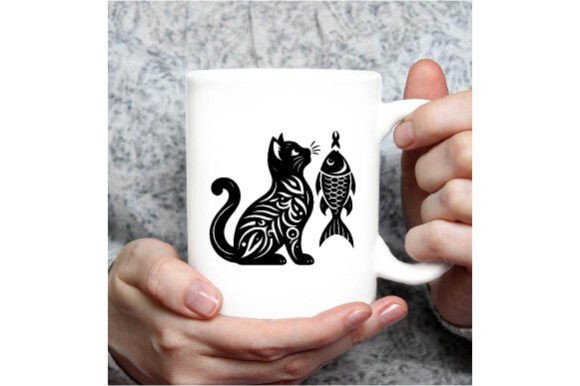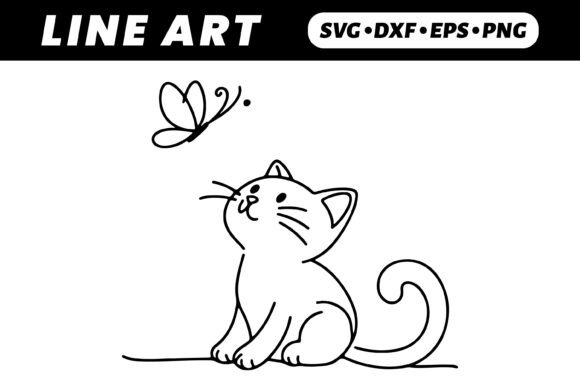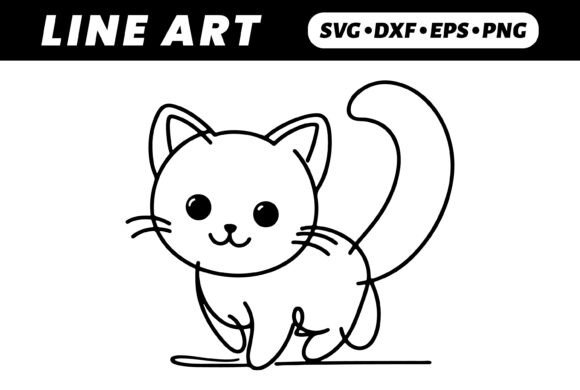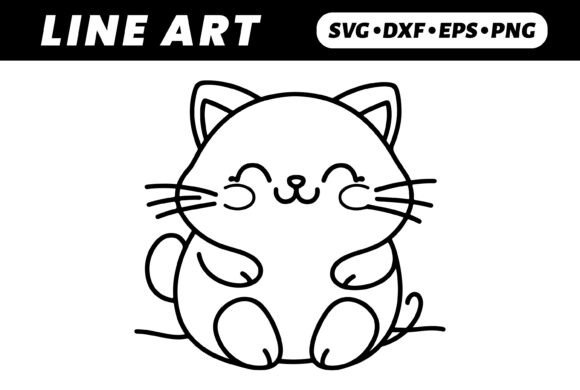
Cat Line Art Vector Graphic
A Clean, Confident Silhouette—Not Just Another Cat Clipart
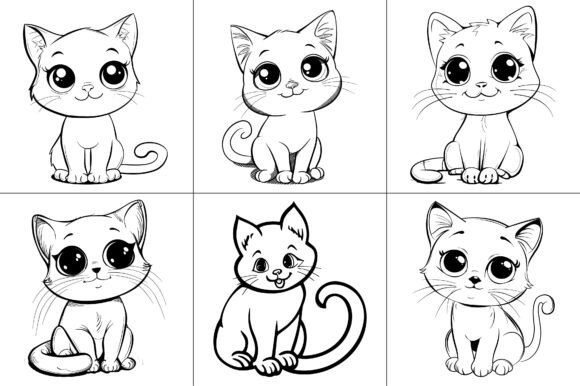
When I opened the Cat Line Art Vector Graphic, my first thought wasn’t “cute” — it was “usable.” That’s rare. So many cat designs lean into fluff, whiskers, or exaggerated expressions that vanish under thread. This one? A single, unbroken contour — smooth, intentional, and just slightly stylized. It breathes. It leaves room for fabric texture, stitch character, and the quiet confidence of handmade work. I immediately pictured it on a natural linen tote bag for a local boutique — no fill, no shadow, just clean running stitch tracing the outline in soft ecru thread. No clutter. No apology.
Where It Shines: Real Projects, Real Fabric
I tested the Cat Line Art Vector Graphic across three real-world embroidery projects: a lightweight cotton baby onesie, a midweight organic cotton sweatshirt, and a structured twill apron. On all three, it held up — not because it’s flashy, but because it’s *considered*. The line weight is consistent, the curves are gentle (no tight corners that snag needles), and the negative space inside the silhouette gives stabilizer room to grip without puckering.
- Custom apparel: Works beautifully on t-shirts and sweatshirts when stitched as a simple running or satin outline — especially at 3–4" wide. Customers notice the restraint; it feels curated, not mass-produced.
- Embroidered patch: Traced cleanly onto twill-backed fusible web. Cut, pressed, and stitched with a narrow satin border — instantly professional, ideal for craft fairs or Etsy listings.
- Baby embroidery: Used on a onesie with pale gray thread. The minimalism reads as gentle and modern — no visual overload for tiny wearers or anxious new parents.
- Holiday & gift items: Stitched onto kitchen towels and pillow covers for a small-batch holiday collection. Paired with handwritten tags and kraft packaging, it elevated the whole handmade product without shouting.
Where to Pause — Not Every Surface Is Equal
This isn’t a “set and forget” design. Its strength lies in simplicity, which also means it reveals flaws fast. On textured fabrics like bouclé or thick terry cloth, the line can blur — test on scrap first. On stretchy knits (think lightweight jersey tees), stabilize aggressively — a light tear-away alone won’t cut it. And on dark fabric? That transparent PNG preview doesn’t tell you how fine the line looks in black thread against navy fleece — mock it up digitally *and* stitch a sample. Also, avoid placing it directly over seams or curved surfaces like cap brims unless you’re confident in your hooping technique. Tiny details hold up well — but only if your machine tension is dialed in and your needle is fresh.
What It Adds to Your Craft Business — Beyond the Stitch
As an Etsy seller and small shop owner myself, I judge designs by how they affect buyer trust and perceived value. The Cat Line Art Vector Graphic subtly signals intentionality. It doesn’t scream “trendy” — it whispers “thoughtful.” That builds credibility, especially for personalized gifts or nursery decor where customers want calm, lasting charm over novelty. When stitched cleanly, it reads as high-end handmade — not digital clipart disguised as embroidery. That perception lifts your pricing power, supports cohesive branding (imagine it repeated as a subtle motif on tea towels, then echoed in your shop banner), and increases repeat engagement. Buyers remember clean lines. They don’t remember busy filler.
Practical Notes from My Hoop to Yours
Before stitching your first Cat Line Art Vector Graphic project, do these five things:
- Test on scrap fabric — same type, same color, same stabilizer combo you’ll use for the final piece.
- Check thread color contrast — what looks sharp on screen may disappear on oatmeal linen or heather grey sweatshirting.
- Review stitch density — even though it’s line art, some versions may include subtle fill or shadow layers. Open the EPS or SVG in your digitizing software to confirm it’s truly outline-only.
- Confirm hoop size fit — the vector scales well, but if you’re aiming for a 2" version on a baby cap, double-check clearance around curves.
- Verify licensing — the listing mentions file formats (6 PNGs, 1 EPS, 1 SVG, 1 JPG) but not usage rights. If you plan to sell finished embroidered products or bundle this as part of a digital embroidery file pack, confirm commercial use is permitted.
Final Thought: Less Is Anchored, Not Empty
The Cat Line Art Vector Graphic won’t wow with complexity — and that’s its superpower. In a market flooded with over-digitized, overly saturated embroidery files, this one gives space to the craft itself: the hand-guided tension, the fabric’s drape, the quiet pride of a clean, confident stitch. It belongs on products where people pause — a baby’s onesie, a barista’s apron, a teacher’s tote. Not as decoration, but as quiet signature. For designers, sellers, and makers who believe handmade means *meaningful*, not merely manual — this is a reliable, respectful, and quietly versatile asset. Just remember: respect the line. Let it breathe. Then stitch it like you mean it.