Maine Coon Cat Candy Holder Template
First Impressions: Charming, Compact, and Surprisingly Versatile
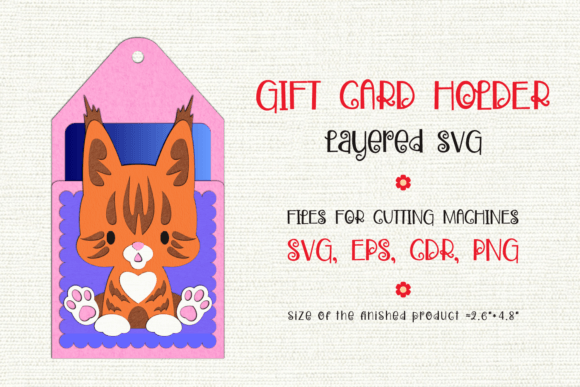
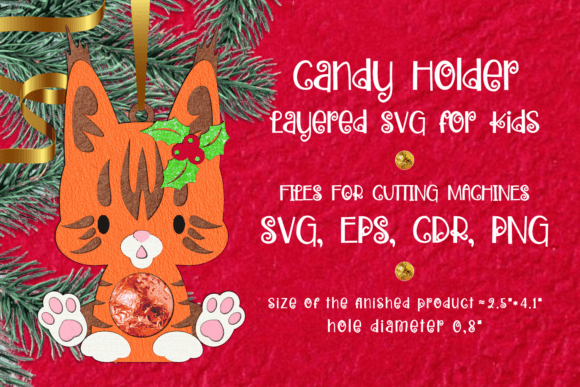
When I opened the Maine Coon Cat Candy Holder Template for the first time, I wasn’t expecting much beyond a festive holiday silhouette — but what stood out immediately was its thoughtful shape language. It’s not just a cat outline; it’s a functional, gently rounded pocket with soft ears, subtle whisker lines, and a slightly open mouth that doubles as a candy slot. The design leans into playful charm without tipping into cutesy overload — a rare balance for a machine embroidery design meant for real-world use. As someone who regularly selects embroidery files for client projects and small-batch boutique goods, I appreciated how clearly it communicates *purpose*: this isn’t just decoration — it’s a tiny, stitchable vessel.
A Real Project Test: Turning It Into a Holiday Tote Bag Feature
Last week, I used the Maine Coon Cat Candy Holder Template to embroider a limited-run holiday tote for a local bakery’s gift set. We paired it with a simple red-and-cream striped canvas tote, stitching the design centered on the front panel. The result? Instant warmth and personality — customers kept commenting on how “surprisingly sweet” and “uniquely handmade” it felt. That reaction tells me something important: this design works because it reads clearly at a glance, holds visual interest up close, and carries enough thematic weight (cat + candy + holiday) to feel intentional, not generic. It didn’t compete with the tote’s texture or overwhelm the scale — which is critical when working with custom apparel or home goods.
Where It Shines — And Where It Needs Thoughtful Handling
The Maine Coon Cat Candy Holder Template performs best in medium-to-lightweight embroidery projects where clarity and charm matter more than ultra-fine detail. Think embroidered patches for aprons, baby onesies, tea towels, pillow covers, or even small sweatshirt pockets. Its compact footprint makes it ideal for hoop sizes starting around 4x4 inches — but I’d recommend verifying your actual hoop size before stitching, especially if you’re planning to layer it onto curved surfaces like caps or sleeves.
That said, it’s not universally forgiving. On stretchy fabrics like jersey or thin knits, the satin-stitched ears and mouth opening can pucker without proper stabilizer — I always use tear-away plus light cut-away for anything wearable. On dark fabric, the fill stitch density feels generous enough to cover well, but I still test thread color contrast first: a warm cream thread on navy cotton gave richer depth than white, for example. And while the design avoids tiny lettering or micro-details, those delicate whiskers do require clean needle tension — don’t skip the test run on scrap fabric.
Design Nuances That Matter to Craft Business Owners
- Stitch density feels balanced — dense enough for crisp definition, light enough to avoid stiffness on baby embroidery or kitchen towels.
- No floating elements or complex underlay — simplifies digitizing adjustments if you need to resize it slightly for different product formats.
- Works across multiple categories: holiday embroidery, personalized gift, custom apparel, and even nursery decor — all without feeling off-brand.
- Commercial viability is strong, especially for Etsy sellers or craft fair vendors offering themed bundles (e.g., “Cat Lover Holiday Kit” with matching patches, tea towels, and printable tags).
What It Adds to Your Finished Product — Beyond Just Looks
Using the Maine Coon Cat Candy Holder Template doesn’t just add decoration — it adds narrative. A customer buying an embroidered tote with this design isn’t just purchasing utility; they’re buying a moment of delight, a conversation starter, a hint of whimsy grounded in craftsmanship. That emotional resonance directly supports brand consistency and buyer engagement — especially for small shop products where authenticity matters more than polish.
I’ve seen similar designs fall flat when details blur during stitching or when proportions distort on textured fabrics. But this one holds up. Even on a lightly brushed cotton tea towel, the cat’s expression remained legible after washing — a quiet win for handmade product durability. And because it’s rooted in a recognizable motif (Maine Coon + candy), it builds instant recognition without needing explanation — valuable for digital embroidery file previews or printable mockups.
Practical Designer Notes Before You Stitch
- Always test the Maine Coon Cat Candy Holder Template on scrap fabric matching your final project’s weight and stretch.
- Review stitch density visually — look for any overly tight fill areas that might cause fabric distortion on lightweight materials.
- Check small details (whiskers, inner ear lines) in black-and-white mockups — they should remain distinct against both light and dark backgrounds.
- Use appropriate stabilizer: tear-away for stable wovens, cut-away for knits or items requiring frequent washing.
- Confirm licensing terms before selling finished items — especially if you plan to offer it as part of a craft business bundle or digital product pack.
- Consider how thread colors interact with your base fabric — warm neutrals often enhance the design’s handmade presentation better than high-contrast combos.
Final Thought: A Quietly Confident Design Choice
This isn’t a flashy, trend-chasing embroidery file — and that’s exactly why it works so well in real life. The Maine Coon Cat Candy Holder Template delivers consistent performance across crafts, graphics, and commercial embroidery contexts because it respects the limits and possibilities of the medium. It doesn’t try to be everything; it does one thing — charming, functional, holiday-adjacent cat-themed embroidery — exceptionally well. Whether you’re an Etsy seller building seasonal inventory, a small shop owner curating boutique branding, or a hobbyist making personalized gifts, this design earns its place in your library not through novelty, but through quiet reliability.