Lucky Charm Cat. Traditional Japanese We
As an embroidery designer and product reviewer, I’ve seen thousands of designs come and go. But when I first laid eyes on Lucky Charm Cat. Traditional Japanese We, I knew it had potential. The design is simple yet striking, with a clear visual identity that feels both traditional and modern. It’s the kind of piece that could easily become a staple in any craft business or personal project.
The First Impression
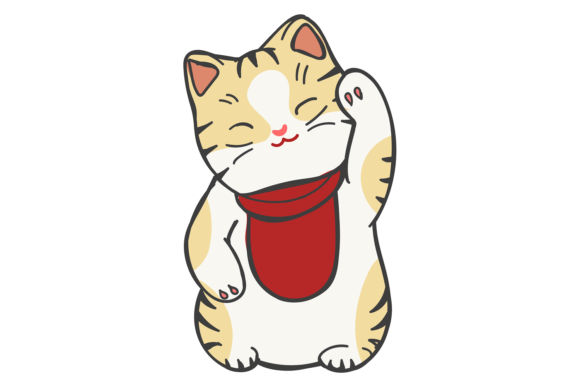
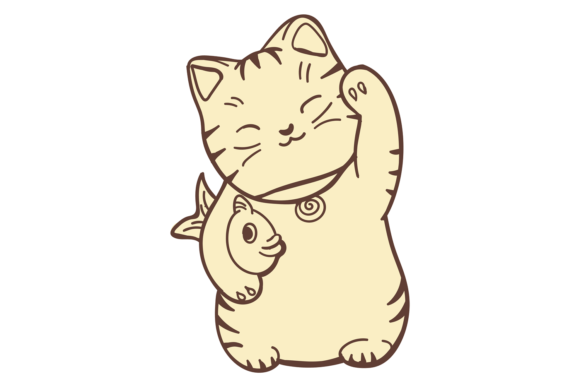
Lucky Charm Cat. Traditional Japanese We immediately evokes a sense of calm and positivity. The isolated cat on a white background gives it a clean, minimalist feel that’s easy to work with. The shape is well-proportioned, and the details—though not overly complex—are sufficient to make the design stand out. It’s the kind of design that feels like it belongs on a tote bag, a sweatshirt, or even a baby onesie.
The layout is straightforward, which makes it ideal for a wide range of embroidery projects. It doesn’t demand too much attention, but it also doesn’t blend into the background. That balance is key for a design that needs to be both functional and visually appealing.
Real-Life Embroidery Use Cases
Imagine you’re working on a custom embroidered tote bag for a client. Lucky Charm Cat. Traditional Japanese We would look great as a central motif. Its simplicity allows it to be the focal point without overwhelming the rest of the design. It also works well as an applique design, where the contrast between the cat and the fabric can really shine.
For a small business owner, this design could be a valuable addition to your product line. Whether you're selling handmade items on Etsy or creating custom apparel for a boutique, Lucky Charm Cat. Traditional Japanese We offers versatility. It’s perfect for holiday gifts, personalized products, and even commercial embroidery projects.
It also has a strong visual appeal that can enhance the perceived value of your finished product. Customers often associate quality with detail, and this design delivers just enough to make it feel special without being overcomplicated.
Where to Use It Carefully
While Lucky Charm Cat. Traditional Japanese We is a solid choice for many projects, there are some situations where it might not perform as well. For example, if you're working with small hoop sizes, the design might be too large to fit comfortably. You’ll need to adjust the size or consider splitting the design into sections.
Textured fabrics, thin materials, and stretchy garments can also be tricky. The design relies on clear stitch lines, so if the fabric isn’t stable, the final result may look less polished. Similarly, dark fabrics can make the design less visible, especially if the thread color doesn’t contrast well.
Curved surfaces like caps or hoods can also pose a challenge. The design is best suited for flat areas where the stitches can lay smoothly. If you’re planning to use it on a patch or a small item, make sure to test it first to ensure it holds up under repeated washing and wear.
Design Performance and Practical Considerations
When it comes to stitching clarity, Lucky Charm Cat. Traditional Japanese We performs well. The stitch density is balanced, which means it won’t be too dense or too sparse. This makes it suitable for both beginner and advanced embroiderers.
One thing to keep in mind is the importance of proper stabilizer. Depending on the fabric you're using, you may need to add extra support to prevent puckering or distortion. This is especially important for delicate or stretchy materials.
Testing the design on scrap fabric before committing to a full project is always a good idea. It allows you to check how the thread colors interact with the fabric and whether the design looks as intended. Black and white mockups can also help you visualize how it will appear on different backgrounds.
Design Notes for Embroidery Professionals
If you're an embroidery designer or a small shop owner, here are a few practical tips for working with Lucky Charm Cat. Traditional Japanese We:
- Test the design on different fabric types to ensure it works well across a range of materials.
- Check thread color contrast, especially if you're planning to use it on dark or light backgrounds.
- Review the stitch density to make sure it's appropriate for your project’s needs.
- Confirm the hoop size required for the design and adjust as needed.
- Inspect small details closely to ensure they translate well in embroidery.
- Use proper stabilizer to maintain the integrity of the design on stretchy or textured fabrics.
- Verify licensing terms if you plan to sell finished products or digital files.
This design is a great asset for anyone looking to add a touch of traditional Japanese charm to their work. Whether you're creating custom apparel, personalized gifts, or small business merchandise, Lucky Charm Cat. Traditional Japanese We offers a versatile and appealing option.
Final Thoughts
In the world of embroidery, it’s rare to find a design that balances simplicity with character. Lucky Charm Cat. Traditional Japanese We does exactly that. It’s a design that feels right at home on a variety of projects, from tote bags to baby clothes, and it carries a sense of cultural significance that adds depth to any finished product.
For designers and crafters, this is more than just a machine embroidery design—it’s a tool that can elevate your work and connect with your audience. Whether you're an Etsy seller, a handmade shop owner, or a creative entrepreneur, this design has the potential to make a real difference in your product offerings.