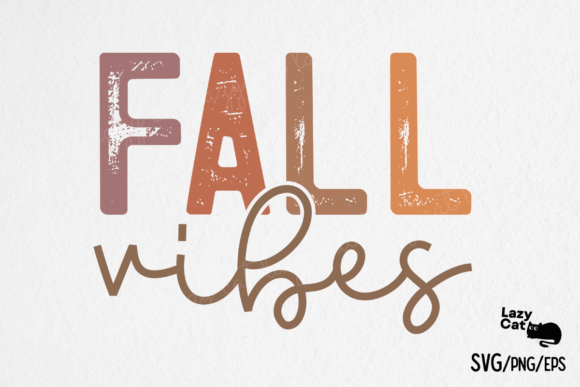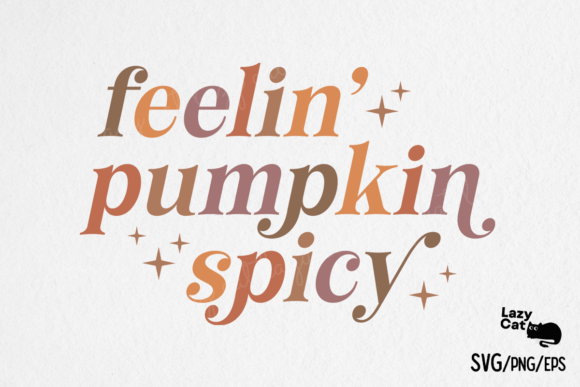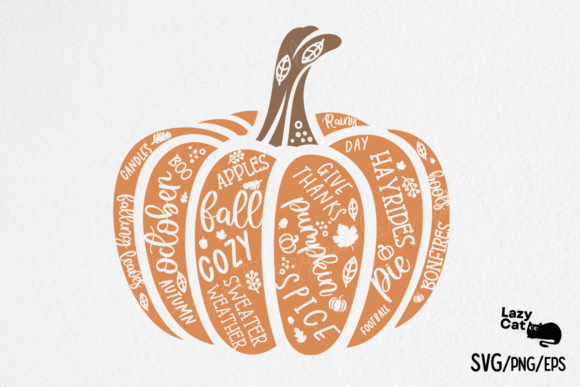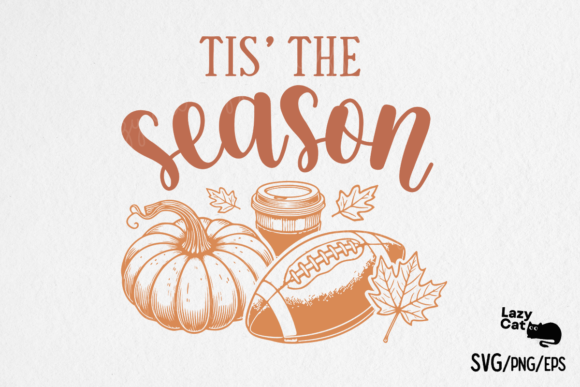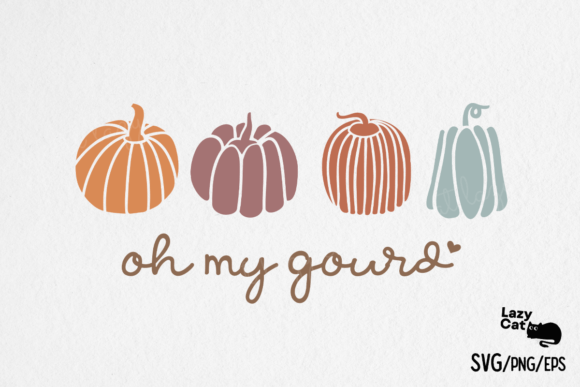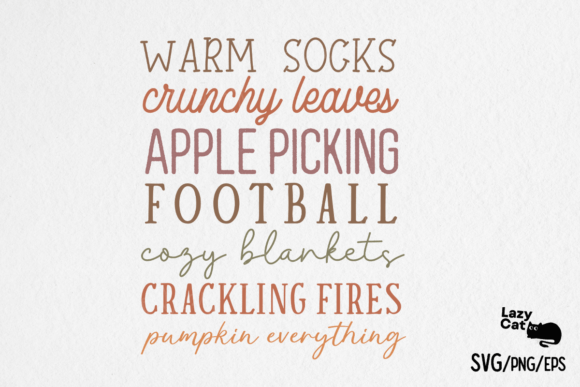
Fall Autumn Things SVG PNG
First Impression: Warm, Nostalgic, and Ready for Stitching
Opening Fall Autumn Things SVG PNG feels like flipping through a well-loved sketchbook—crisp maple leaves, a cozy acorn, maybe a curled-up pumpkin vine or a rustic basket. It’s not overly ornate, but it’s intentional: balanced negative space, clean outlines, and a gentle asymmetry that reads as handmade, not mass-produced. As an embroidery designer who’s stitched hundreds of seasonal motifs, I immediately sense this set leans into warmth over whimsy—ideal for boutique apparel, nursery decor, or personalized kitchen textiles. It doesn’t shout “fall”; it invites you in.
A Real-World Test: Embroidering a Linen Tea Towel for a Local Gift Shop
Last week, I used the black-and-white SVG version to digitize a 3.5" wide version for a small-batch linen tea towel order. The shop wanted something elegant but approachable—no glitter, no cartoonish pumpkins. Fall Autumn Things SVG PNG delivered. When stitched with matte cotton thread on medium-weight linen, the design held its shape beautifully: the leaf veins read clearly in satin stitch, the acorn cap had just enough texture without overcrowding, and the overall density felt breathable—not stiff or plasticky. Customers noticed the subtlety. One wrote, “It looks like it belongs in my kitchen, not on a craft fair table.” That’s the quiet win.
Where It Shines (and Where to Pause)
Fall Autumn Things SVG PNG works especially well for:
- Custom apparel — Sweatshirts and structured tote bags absorb its moderate stitch density without puckering.
- Baby embroidery — Soft fill stitches and rounded edges make it gentle on onesies and burp cloths (just avoid tiny stems if stitching near seams).
- Embroidered patches — The clean silhouette and minimal interior detail mean clean cut edges and easy peel-away backing.
- Holiday embroidery & personalized gifts — Paired with neutral thread (oatmeal, charcoal, deep rust), it reads timeless—not dated to one season’s trend.
- Craft business & Etsy seller use — Its versatility across products (pillow covers, aprons, caps) means one design can support multiple listings without visual fatigue.
But be thoughtful with:
- Small hoop sizes (under 4") — Some elements (like layered vine tendrils) compress tightly. Zoom in before resizing; test stitch a single leaf first.
- Textured or stretchy fabric — On terry cloth towels or lightweight knits, add tear-away + cut-away stabilizer combo. Don’t rely on the design’s outline alone to hold shape.
- Dark fabric — The black PNG version is crisp for cutting, but for embroidery, confirm your digitized version uses sufficient underlay and thread contrast. A light gold or cream thread lifts the motif beautifully on navy or charcoal.
- Curved surfaces (caps, curved pillow fronts) — Avoid placing the most detailed cluster (e.g., overlapping leaves) directly over seams or crowns. Reposition slightly toward the flat plane.
- Frequent-wash items — While the layout is stable, dense satin areas benefit from reduced stitch count in digitizing. If you’re using this as a machine embroidery design straight from the file, verify stitch density isn’t above 12–14k stitches for a 4" motif.
What It Adds to Your Finished Product—Beyond the Thread
This isn’t just a graphics pack—it’s a tone-setter. When stitched thoughtfully, Fall Autumn Things SVG PNG elevates perceived value. Handmade product buyers respond to cohesion: a matching embroidered tea towel, apron, and baby blanket all sharing the same leaf motif feel curated, not cobbled together. For Etsy sellers, that consistency builds brand recognition fast—even without a logo. And because the design avoids cliché (no smiling scarecrows, no “Pumpkin Spice” lettering), it appeals across age groups and aesthetics: modern farmhouse, minimalist nursery, Scandinavian kitchen, even quiet luxury gifting.
Practical Embroidery Designer Notes You’ll Actually Use
Before stitching your first client piece or listing on your small shop site:
- Test on scrap fabric first — Especially if using textured linen, chambray, or cotton-blend knits. Note how the fill stitch settles after washing.
- Review thread colors against your base fabric — Try matte cotton in warm taupe, burnt sienna, and charcoal gray. Avoid high-sheen poly unless aiming for contrast.
- Confirm hoop size and digitizing scale — These files are vector-based (SVG/EPS) and raster (PNG), so scaling is flexible—but always check stitch count post-digitizing.
- Inspect small details at 200% zoom — Tiny stems or vine tips may need manual cleanup in your embroidery software to prevent skipped stitches.
- Test black and white mockups — How does it read on oatmeal canvas vs. indigo denim? Does the white version pop—or disappear?
- Use proper stabilizer — Medium-weight cut-away for knits, tear-away for stable wovens, and fusible + tear-away for lightweight linens.
- Verify licensing for commercial embroidery — Since this is categorized as Graphics and Crafts, confirm whether finished embroidered items (not the digital file itself) may be sold commercially. When in doubt, reach out to the creator.
Final Thought: A Design That Works Quietly, But Well
Fall Autumn Things SVG PNG won’t go viral for flash—but it will earn repeat orders, heartfelt thank-you notes, and shelf space in thoughtful homes. It’s the kind of embroidery file that disappears into the product while making it better: grounding a custom sweatshirt, softening a baby blanket, adding heirloom weight to a holiday gift. For crafters building real businesses—and for designers who care how things *feel* when stitched, worn, and washed—it’s not just another fall download. It’s a reliable, quietly confident tool. Keep it in your seasonal rotation.