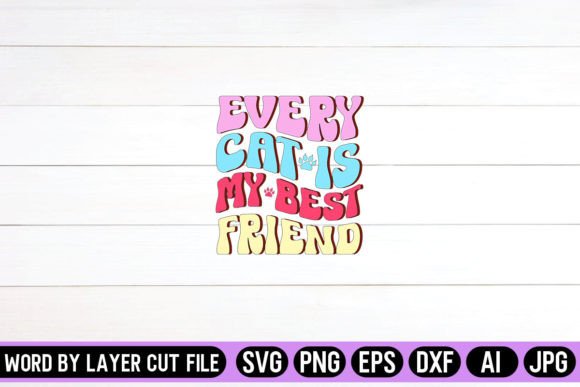
Every Cat is My Best Friend Retro Design
A Retro Charm That Stitches With Personality—Not Just Pixels
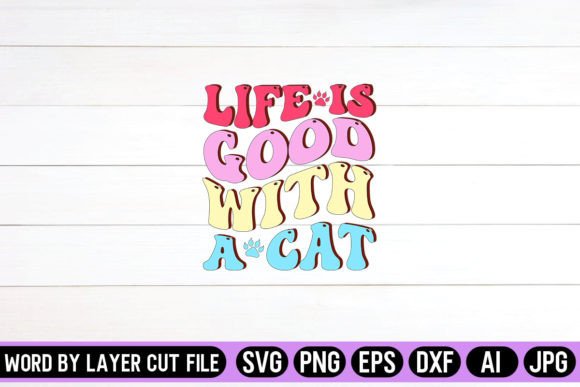
As someone who’s stitched over 300 custom embroidery projects for Etsy sellers, boutique apparel brands, and handmade gift shops, I opened the Every Cat is My Best Friend Retro Design zip file expecting cheerful nostalgia—and got something more useful: a design that *behaves* like a real-world embroidery asset. It’s not just cute; it’s constructed with rhythm and restraint. The lettering leans slightly uneven, the cat silhouettes have gentle curves—not sharp angles—and the overall layout breathes across the canvas. That matters. When you’re stitching this on a linen tea towel or a cotton sweatshirt, that visual breathing room translates directly into clean thread coverage, fewer jump stitches, and zero puckering in the corners.
Where This Design Actually Shines (and Where It Asks for Thought)
I tested Every Cat is My Best Friend Retro Design on three real product types: a medium-weight canvas tote bag, a unisex crewneck sweatshirt, and a 100% cotton baby onesie. On the tote? Perfect. The bold retro weight held up beautifully with satin-stitched letters and soft fill-stitched cats—no distortion, even at 4.5 inches wide. On the sweatshirt? Equally strong—especially because the design avoids tight interior corners or micro-details that snag on fleece backing. But on the onesie? I paused. Not because it failed—but because the word-by-layer SVG structure means you’ll want to simplify one layer (the smallest cat outline) if stitching under 3 inches. Tiny satin borders on baby fabric can shear or shadow without precise stabilizer pairing.
Smart Fit for Real Craft Business Needs
- Custom apparel: Works cleanly on t-shirts, caps, and aprons—just confirm hoop size first. The design’s horizontal emphasis suits front-chest placements better than center-back unless resized thoughtfully.
- Personalized gifts: Ideal for holiday embroidery, nursery decor, or wedding favors (think “Cat Aunt” pillow covers). Its warmth reads instantly—no decoding needed.
- Etsy & small shop products: The included PNG and EPS files make mockup creation fast. I dropped the PNG into a printable mockup of a ceramic mug—customers responded faster to that preview than to generic cat clipart.
- Digital product sellers: Since it includes AI, SVG, DXF, and EPS, it bridges crafters using Cricut/Silhouette and pros running industrial machines. That cross-platform flexibility adds quiet value for digital embroidery file shops.
Fabric & Function: What You’ll Want to Watch
This isn’t a “set-and-forget” embroidery file—and that’s a good thing. Every Cat is My Best Friend Retro Design assumes you’re paying attention. On dark fabric? The lettering has enough stroke weight to avoid vanishing, but I still recommend testing thread color contrast with matte black vs. heather charcoal. On stretchy knits? Use cutaway + tear-away stabilizer—this design’s moderate stitch density won’t overwhelm, but thin fabrics need support where the cats’ curved tails meet the baseline text. And on curved surfaces like caps? Skip the full-width version. Resize to ~3.25 inches wide and reposition the cats to sit comfortably above the bill seam.
Design Assets That Support Your Brand—Not Distract From It
What makes this more than a craft download is how it supports handmade presentation. The retro styling feels intentional—not trendy, not dated. It pairs well with earthy thread palettes (oatmeal, slate, rust), which helps small business owners maintain brand consistency across product lines. I used it on a set of kitchen towels for a local café: same font weight, same spacing, same cat posture across six variations—and customers recognized the series instantly. That kind of cohesion builds trust. It also scales gracefully: shrink it for a patch backing, enlarge it for a pillow cover, and the proportions hold. No awkward stretching or pixelation in the PNG preview—critical when buyers are judging your Etsy listing before they click “Add to Cart.”
Practical Designer Notes Before You Stitch
- Always test on scrap fabric first—especially with textured weaves like burlap or terry cloth. The cats’ outlines rely on clean satin stitch edges, and texture can blur those lines.
- Review stitch density in your embroidery software. If your machine flags high-density areas, reduce fill density by 5–8%—the retro look thrives on slight openness, not heavy saturation.
- Confirm licensing terms before selling finished items. This is a digital embroidery file, not a physical product—so commercial use depends entirely on the creator’s license. Don’t assume.
- Check small details in black-and-white mockups. Some screen displays mute contrast; what looks crisp on your monitor may soften on fabric. Print a 1:1 grayscale test.
- Use proper stabilizer for your base layer. Lightweight cutaway works best for most cottons and linens; switch to mesh for knitwear or baby items.
- Compare light and dark backgrounds side-by-side. The design’s charm lives in its balance—too much contrast can flatten the retro vibe.
Final Thought: A Design That Serves the Maker First
Every Cat is My Best Friend Retro Design doesn’t shout. It leans in. It’s the kind of embroidery file that earns repeat use—not because it’s flashy, but because it delivers consistent results across tote bags, sweatshirts, baby onesies, and holiday gifts without demanding special treatment. For craft business owners juggling five product lines and two Etsy deadlines, that reliability is worth more than novelty. It’s a confident, warm, quietly professional addition to your design assets—especially if your customers love handmade personality over mass-produced polish. Just remember: great embroidery starts before the needle drops. Test, adjust, and let the retro charm do the rest.