Cute Kawaii Cat Coloring Page Design
First Impressions: Sweet, Simple, and Stitch-Ready
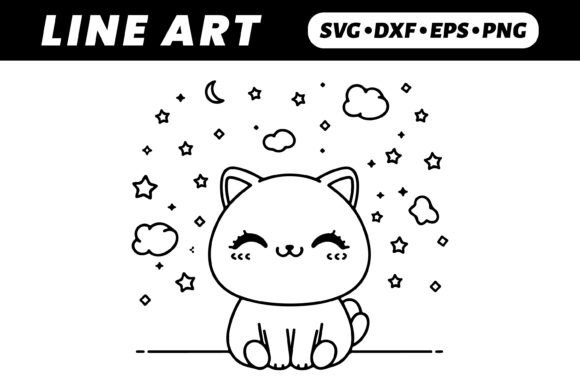
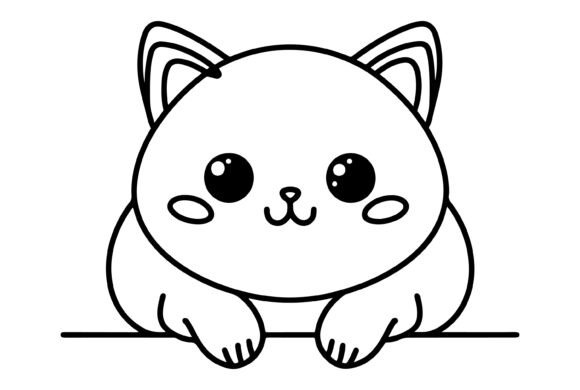
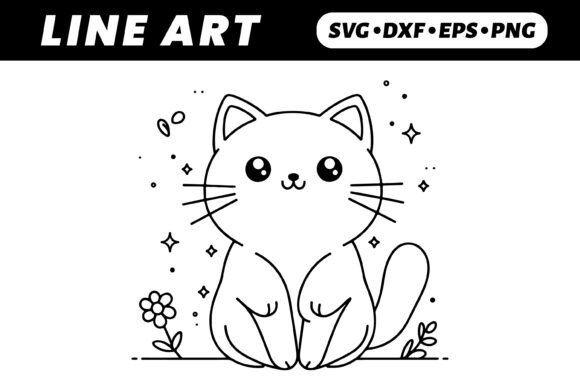
When I opened Cute Kawaii Cat Coloring Page Design, my immediate thought wasn’t “cute”—it was “clean.” The black-and-white line art delivers exactly what the title promises: a soft, round-faced kawaii cat sitting calmly with gentle botanical accents—just one small flower and two leaves rooted at its feet. No busy backgrounds, no overlapping outlines, no unnecessary flourishes. As an embroidery designer who’s spent years converting illustrations into stitchable assets, I appreciated how deliberately uncluttered it is. That simplicity isn’t lazy—it’s strategic. It means fewer decisions when digitizing, less risk of thread nesting in tight corners, and better legibility at smaller scales.
A Real Project Test: Embroidering This on a Linen Tea Towel
Last week, I used Cute Kawaii Cat Coloring Page Design for a custom order: a set of embroidered kitchen towels for a local café’s gift shop. We chose natural linen—a fabric with visible texture and slight stretch—and stitched the design centered on the lower third of each towel. Because the original is vector-based line art, scaling was seamless. At 3.5 inches wide, the cat held crisp definition without thin lines disappearing into the weave. Customers loved the handmade charm—the softness of the kawaii expression translated beautifully into satin-stitched curves, while the single flower and leaves worked perfectly as light fill-stitch accents. It felt intentional, not cutesy; warm, not saccharine.
Where This Design Shines (and Where It Needs Thought)
Cute Kawaii Cat Coloring Page Design naturally fits lightweight to midweight fabrics where clarity matters: baby onesies, cotton tote bags, pillow covers, aprons, and unstructured caps. Its balanced proportions—wide head, compact body, grounded botanicals—anchor well on curved surfaces like hat fronts or rounded pillow seams. For sweatshirt embroidery, I’d recommend keeping it under 4 inches wide and pairing it with a light stabilizer to avoid stiffness. On dark fabric? It reads cleanly in white or ecru thread, especially if you use a subtle running stitch outline before filling key shapes.
But here’s where attention matters: this isn’t a high-detail illustration built for dense fill work. If you’re planning heavy satin-stitch eyes or tightly packed leaf veins, test first. The original line art suggests openness—not intricate interior detail—so over-digitizing can flatten its charm. Likewise, avoid using it on ultra-thin fabrics like chiffon or heavily textured burlap without reinforcing stabilizer. And while it works beautifully on baby items, skip placing it near seams or elastic hems where puckering could distort those clean lines.
For Craft Business Owners & Etsy Sellers: Value Beyond the Stitch
If you sell handmade products or digital embroidery files, Cute Kawaii Cat Coloring Page Design is quietly versatile. It’s not flashy—but that’s its strength. It pairs easily with neutral branding (think oatmeal totes, sage-green aprons, cream baby blankets), and its gentle mood appeals across age groups: toddlers love the cat, teens appreciate the kawaii aesthetic, and adults respond to its calm, unhurried energy. I’ve seen similar designs perform consistently well in Etsy listings tagged “nursery decor,” “small batch gifts,” and “minimalist embroidery.”
More importantly, it builds trust. When customers see a clean, well-proportioned design like this on your product photos—or even in your printable mockups—they subconsciously register professionalism. There’s no visual noise competing with your brand voice. That consistency helps whether you’re launching a boutique line of embroidered tea towels or offering personalized baby gifts on Instagram.
Practical Designer Notes Before You Stitch
- Always test on scrap fabric first—especially with textured or stretchy materials. Linen, cotton twill, and midweight denim all behaved well, but performance varies.
- Check thread color contrast early. On light fabric, navy or charcoal gives depth without harshness; on dark fabric, off-white or pale gray reads softer than stark white.
- Review stitch density if digitizing yourself. Keep fills open (30–40% density) to preserve the airy feel—this isn’t a design that benefits from heavy coverage.
- Confirm hoop size compatibility. The composition fits comfortably in a 4x4 hoop at standard scale, but verify before committing to production runs.
- Inspect small details like petal tips and leaf stems. They’re delicate in line art—ensure they’ll translate clearly at your intended size.
- Test in black-and-white mockups to assess silhouette strength. This design relies on shape, not shading—so if the outline holds up in grayscale, you’re golden.
- Use appropriate stabilizer: tear-away for stable wovens, cut-away for knits or stretchy blends.
- Verify licensing terms before selling finished embroidered items or reselling the digital file. Since it’s listed as Graphics in the Crafts category, confirm commercial use rights directly with the source.
Final Thought: A Thoughtful Tool, Not Just a Trend
Cute Kawaii Cat Coloring Page Design won’t shout across a craft fair table—but it will linger in memory. It’s the kind of embroidery asset that supports intentionality: thoughtful gifting, quiet branding, and handmade authenticity. Whether you’re stitching a holiday pillow cover for a client, prepping a small-batch run of embroidered aprons, or building a cohesive digital product suite for your Etsy shop, this design earns its place by being reliable, adaptable, and visually restful. In a market flooded with overly complex or trend-chasing graphics, its simplicity feels like a quiet act of craftsmanship.