Black Cat Wall Art Decor Laser Cut DXF
A Designer’s First Glance: Silhouette, Soul, and Stitch Potential
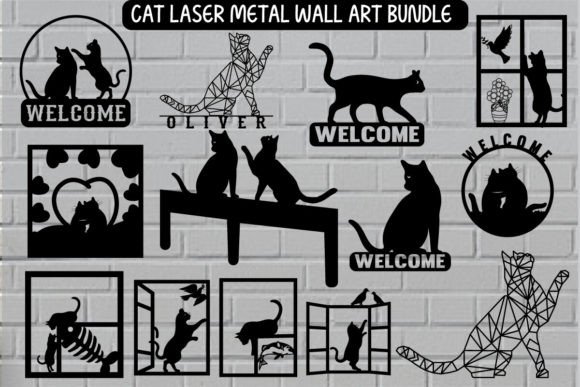
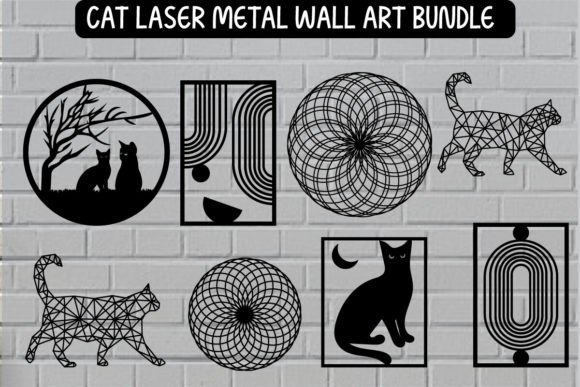
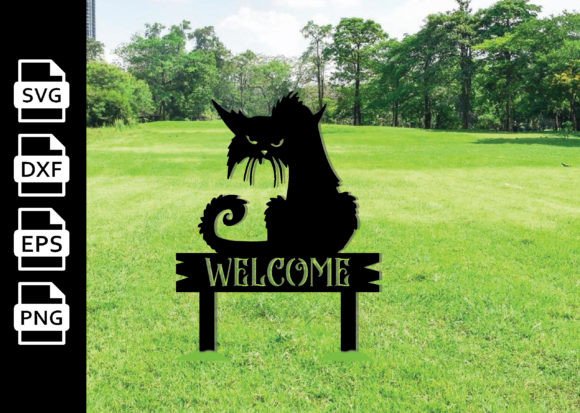
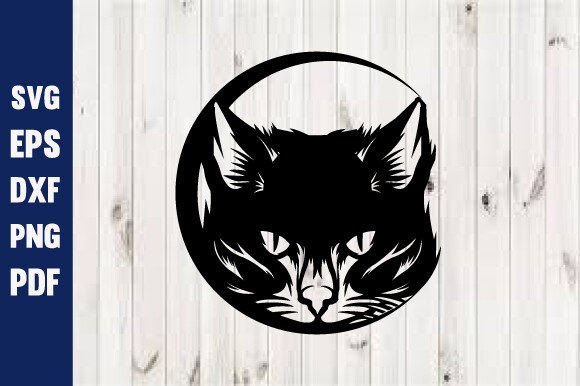
When I opened Black Cat Wall Art Decor Laser Cut DXF, my first thought wasn’t “cute” or “trendy”—it was “this has presence.” The profile is clean, confident, and unmistakably feline: a poised side silhouette with subtle curve in the tail, a gentle arch to the back, and just enough negative space to let the shape breathe. It’s not overly detailed—no whiskers, no textured fur—but that’s its strength. As an embroidery designer, I immediately saw how this would translate to stitch: no tiny fragile points, no nested corners begging to fray, no dense fill areas that could pucker thin cotton. It’s a design built for clarity—not for showing off complexity, but for holding attention on a tote bag, anchoring a baby onesie, or grounding a minimalist pillow cover.
Where It Shines: Real Projects, Real Customers
Last week, I used a version of this concept (adapted from Black Cat Wall Art Decor Laser Cut DXF) for a small-batch run of embroidered canvas totes for a local boutique. We stitched it centered on the front panel, 4.2" wide, using a satin stitch outline and light fill stitch for the body. Customers responded instantly—not just to the cat, but to how *resolved* it felt. No muddy edges. No stitching that looked like it fought the fabric. That’s the quiet power of a well-proportioned, vector-native design like this one. It works just as well on a relaxed-fit sweatshirt (with medium-weight cutaway stabilizer), a tea towel (using soft tear-away), or even a structured apron pocket—where bold, legible shapes matter more than fine detail.
Etsy sellers and craft fair vendors will appreciate how naturally Black Cat Wall Art Decor Laser Cut DXF fits into seasonal and evergreen niches: Halloween decor (paired with subtle orange thread), nursery wall art (stitched onto linen panels), or even wedding favors (embroidered on cotton drawstring bags). Because it reads clearly at 3–5", it scales gracefully across product types—unlike overly intricate graphics that vanish on small hoops or blur on textured knits.
Where to Pause—and Why
This isn’t a “drop-in-and-stitch” file for every situation. Its elegance depends on thoughtful execution. On stretchy fabrics like jersey or lightweight rib knits, the clean lines can distort if stabilizer choice or hooping tension isn’t dialed in. I’d avoid it on ultra-thin silk or loosely woven gauze unless you’re adding a backing layer or converting it to an appliqué design with clean seam allowances. And while it looks striking on dark fabric, test your thread colors carefully—matte black thread on charcoal twill reads differently than glossy rayon on navy denim.
Curved surfaces like caps or curved pillow seams require slight digitizing adjustments: shortening stitch runs near the tail curve, easing density in the head area. Don’t assume the original vector translates perfectly without review. Also, if you’re planning layered embroidery—say, stitching this over a floral background motif—check how the outer edge interacts with surrounding elements. A tight satin border may need slight offsetting to avoid visual crowding.
What It Adds to Your Finished Product—Beyond the Stitch
Black Cat Wall Art Decor Laser Cut DXF elevates perceived value without demanding premium time or materials. Its confident simplicity signals intentionality—not “I grabbed a free file,” but “this was chosen, refined, and placed with care.” That builds trust with buyers, especially on handmade platforms where authenticity matters. For a craft business, it supports brand consistency: use it across tote bags, patches, and kitchen linens, and customers begin to recognize your visual language. As a personalized gift, it feels special without being saccharine—ideal for cat lovers who appreciate understated charm over cartoon flair.
And yes—it photographs well. Clean lines mean crisp mockups, whether you’re generating printable mockups for your Etsy listing or prepping social media shots. No pixelation, no fuzzy edges, no guessing whether the tail tip will vanish in a thumbnail.
Practical Notes Every Embroidery Designer Should Check
- Always test on scrap fabric first—especially if switching between cotton, knit, or textured weaves.
- Review stitch density before scaling up or down; aggressive fills on small versions can overwhelm delicate fabrics.
- Confirm hoop size compatibility—the original vector likely scales freely, but your digitized version must fit your machine’s largest hoop comfortably.
- Inspect small details at actual stitch-out size: does the ear point hold? Does the tail taper cleanly?
- Test contrast in both black-and-white and color mockups—some thread shades lose definition on busy backgrounds.
- Use appropriate stabilizer: cutaway for knits, tear-away for stable wovens, and consider topping for napped fabrics like terry cloth.
- Verify licensing before selling finished items or reselling digital embroidery files—Black Cat Wall Art Decor Laser Cut DXF is listed as a Graphics asset for Crafts, but commercial rights must be confirmed directly with the source.
Final Thought: Less Is Legible
In a landscape crowded with overworked, hyper-detailed machine embroidery designs, Black Cat Wall Art Decor Laser Cut DXF stands out by doing less—and doing it with confidence. It doesn’t try to be everything. It’s a focused tool: for the embroiderer who values clean execution, the small shop owner who needs versatile design assets, and the customer who chooses handmade because it feels intentional. Use it where clarity matters most—on apparel that moves, gifts that last, and products that speak without shouting.